
For most heated homes in South East London, double glazing is the stronger choice for comfort, energy bills, and noise reduction. The exception is clear: if your sash windows sit within a listed building or a conservation area, sympathetic single-glaze refurbishment or secondary glazing often wins on planning grounds. The Energy Saving Trust estimates A-rated double glazing can save a typical gas-heated semi-detached home around £195 per year on energy bills compared with inefficient glazing. Properly specified double glazing can also reduce outside noise by 30–35 dB, which matters enormously on a busy South East London street.
Key facts at a glance:
- A single-glazed pane carries a U-value of around 5 W/m²K; modern double glazing achieves substantially lower heat loss with much better U-values.
- Double glazing can cut condensation risk significantly compared with single glazing.
- Conservation area and listed building constraints frequently require secondary glazing or slim insulated glass units (IGUs) rather than standard double-glazed replacements
- Sesashwindowrepair provides both routes: full sash refurbishment with draught proofing for heritage properties, and bespoke slim IGU installation for South East London homes where planning allows.
Table of Contents
- How do single and double glazing compare across what matters most?
- What actually makes double glazing perform better?
- When is keeping single glazing the right decision?
- What retrofit options work for period sash windows?
- What do refurbishment and double-glazing upgrades cost in South East London?
- What should you ask a contractor before hiring?
- How Sesashwindowrepair can help South East London homeowners
- Key takeaways
- A specialist’s perspective on what homeowners often miss
- Useful sources and further reading
How do single and double glazing compare across what matters most?
| Dimension | Single glazing | Double glazing (Low-E + argon) |
|---|---|---|
| Thermal / U-value | around 5 W/m²K — high heat loss | approximately 1.2 W/m²K — substantially lower heat loss |
| Energy savings | Minimal | — |
| Acoustic performance | Low (approximately 30 dB Rw) | 30–35 dB reduction with correct specification |
| Heritage / conservation risk | Low — retains original glass | Higher — may need planning consent |
| Sightlines and muntin profile | Unchanged | Slim IGUs can match; standard units alter sightlines |
| Upfront cost | Lower | Higher; longer lifespan when well installed |
| Condensation | High risk | significantly lower risk; humidity still a factor |
| Installation disruption | Minimal for refurbishment | Moderate; bespoke units need lead time |
Secondary glazing sits between these two: it leaves the external appearance unchanged, is generally accepted by conservation officers, and delivers meaningful thermal and acoustic gains. Timber Sash Window Repair SE can advise on which route suits your property and local planning requirements.
What actually makes double glazing perform better?
A double-glazed window is built around a sealed insulated glass unit (IGU): two panes of glass held apart by a spacer bar, with the cavity sealed at the perimeter. The cavity is typically filled with an inert gas such as argon, which conducts heat less readily than air and reduces the U-value of the unit.
Low-E (low-emissivity) coatings are a microscopically thin metallic layer applied to one face of the glass. They reflect long-wave heat back into the room in winter and reduce solar heat gain in summer, improving year-round performance without affecting visible light. Cavity width also matters: 12–16 mm is the accepted optimum range, with 12 mm widely regarded as the preferred gap for timber sash applications.
A 30–35 dB noise reduction is achievable with correctly specified double glazing, depending on glass thickness and build-up — a meaningful difference on a South East London road.
| Specification | U-value (W/m²K) | Typical acoustic Rw | Condensation risk |
|---|---|---|---|
| Single glazing (3 mm clear) | around 5 | 30 dB | High |
| Double glazing (basic air-filled) | — | 30–35 dB | Low |
| Double glazing + Low-E + argon | approximately 1.2 | 30–35 dB | Very low |
Not all double glazing is equal. Specification matters more than the label: a basic air-filled unit without Low-E or argon will underperform a well-specified slim IGU by a considerable margin. Approved Document L (Building Regulations) sets a benchmark of approximately 1.2 W/m²K for replacement windows, so any unit you commission should meet or exceed that figure.
When is keeping single glazing the right decision?
For a significant number of South East London properties, single glazing is not just acceptable — it is the correct choice. Listed buildings and properties within designated conservation areas often require planning consent for glazing changes, and conservation officers frequently prefer solutions that retain original glass and sightlines.
Situations where single glazing should be retained:
- Listed building status — replacement glazing typically requires listed building consent; refusal is common for standard double-glazed units
- Conservation area designation — many South East London boroughs (Lewisham, Southwark, Greenwich) have extensive conservation areas where external alterations need approval
- Architecturally significant sash profiles — unusually narrow glazing bars or historic crown glass that cannot be replicated in a sealed unit
- Budget-constrained projects — a thorough refurbishment with draught proofing delivers a meaningful improvement at lower cost than full IGU replacement
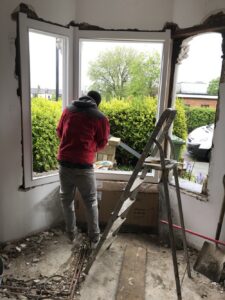
Practical refurbishment measures that retain single glazing while improving performance include: sash overhaul and re-glazing with fresh putty, draught proofing with brush or compression seals, sash cord replacement, spiral balance installation, and sill repair or replacement where rot has compromised the frame.
Pro Tip: Secondary glazing fitted to the room-side of original sashes is often the best compromise for conservation properties. It is reversible, leaves the external elevation unchanged, and conservation officers regularly accept it where double-glazed replacement would be refused.
What retrofit options work for period sash windows?
Period sash windows do not have to choose between character and performance. Several retrofit approaches can improve thermal and acoustic results without sacrificing the look that makes South East London Victorian and Edwardian homes distinctive.
- Slim or super-slim IGUs — units as thin as 12–14 mm overall can fit within refurbished sash rebates, retaining original sightlines and glazing bar proportions. These are the preferred route when planning allows double glazing but visual change must be minimised.
- Secondary glazing — a separate inner pane fitted to the room-side of the existing sash. Secondary glazing is reversible and frequently accepted by conservation officers; combined with draught proofing, it can approach double-glazed thermal performance.
- In-situ sealed unit replacement — the original glass is removed and a slim IGU is fitted into the existing sash, keeping the external timber profile intact. Frame condition must be sound before this is attempted.
- Bespoke sealed units — for non-standard sash sizes or unusual muntin configurations, units can be manufactured to match exact dimensions, including matching original glazing bar profiles.
Combining draught proofing with secondary glazing is particularly effective: draught proofing addresses infiltration losses while secondary glazing adds the insulating air gap. Together, they can deliver near-double-glazed performance while preserving every detail of the original window.
What do refurbishment and double-glazing upgrades cost in South East London?
Costs vary with job complexity, access, and glass specification. The figures below reflect typical South East London market ranges rather than fixed quotes.
| Work type | Typical cost range (per window) | Typical time per window |
|---|---|---|
| Sash overhaul + draught proofing | — | Half to one day |
| Secondary glazing (fitted) | — | Half to one day |
| Slim IGU replacement (existing sash) | — | One day |
| Bespoke double-glazed sash unit | — | 1–3 days (plus lead time) |
Lead times for bespoke sealed units typically run 3–6 weeks. Factors that push costs upward include: bespoke muntin profiles, scaffold requirements for upper-floor windows, conservation consent applications, deep rot requiring full sash replacement, and premium glass options such as Low-E coatings with argon fills. Frame condition is a critical variable — a deteriorated sill or rotten stile will limit any glazed unit’s effectiveness and must be addressed first.
What should you ask a contractor before hiring?
Choosing the right specialist matters as much as choosing the right glazing. A contractor who cannot answer basic specification questions is unlikely to deliver a result that lasts.
- Ask for examples of previous sash work — photographs of completed projects, including bespoke IGU installations in period properties
- Request U-value documentation — any reputable supplier should confirm the unit’s U-value in writing; it should meet or beat 1.2 W/m²K under Approved Document L
- Check sealed unit warranties — quality IGUs carry manufacturer warranties of 10 years or more; perimeter seal failure is the main long-term risk, so warranty terms matter
- Ask about Low-E and argon options — a contractor who steers you toward plain air-filled units without explaining the performance difference is cutting corners
- Verify conservation experience — request references from listed building or conservation area projects in South East London specifically
- Confirm public liability insurance — a written certificate, not just a verbal assurance
- Discuss sightline and glazing bead details — a specialist should be able to explain how a slim IGU will sit within your existing rebate and what bead profiles will be used
Red flags: no written U-value data, no warranty documentation, pressure to accept the cheapest glass without discussing Low-E or argon, and an inability to explain how the unit will be retained within the sash.
Pro Tip: Always request a site survey and a written method statement for heritage work. Agree a snagging period in writing before work begins — this protects you if condensation or draught issues emerge after installation.
How Sesashwindowrepair can help South East London homeowners
Sesashwindowrepair brings together the full range of services South East London sash owners need, whether the priority is preserving original character or upgrading to high-performance double glazing.
Our services cover sash window refurbishments, draught proofing, sash cord and spiral balance repairs, sill replacement, and bespoke slim IGU installation for period properties. We manufacture replacement sashes to match original profiles where rot or damage has gone beyond repair. As a local South East London specialist, we understand the conservation constraints that apply across Lewisham, Southwark, Greenwich, and neighbouring boroughs — and we can advise on whether your property needs planning consent before any glazing work begins.
Every job starts with a site survey. We assess frame condition, sightlines, and planning status before recommending a route, so you get a solution that works for your property rather than a standard package. To arrange a survey or request a quote, get in touch with us directly through our refurbishment specialists page.
Key takeaways
For most South East London sash windows, double glazing with Low-E coatings and argon fills delivers the best thermal and acoustic performance, but conservation constraints and frame condition must be assessed before any glazing decision is made.
| Point | Details |
|---|---|
| U-value is the key thermal measure | Single glazing runs around 5 W/m²K; target 1.2 W/m²K or better for any replacement unit. |
| Specify Low-E and argon | Plain air-filled units underperform; always confirm Low-E coating and argon fill in writing. |
| Conservation areas change the equation | Listed and conservation area properties often require secondary glazing or slim IGUs — check with your local planning authority first. |
| Refurbishment before replacement | Draught proofing and sash overhaul improve single-glazed performance and are the right first step for many period homes. |
| Sesashwindowrepair covers both routes | From draught proofing and sash cord repair to bespoke slim IGU installation, Sesashwindowrepair handles the full range of South East London sash work. |
A specialist’s perspective on what homeowners often miss
The most common mistake we see is homeowners treating glazing as the only variable. A beautifully specified slim IGU fitted into a sash with rotten stiles and a failed sill will still perform poorly — the frame is part of the thermal envelope, and frame condition determines how much of the glazing unit’s rated performance you actually realise.
The second thing people underestimate is how much draught proofing alone can change the feel of a room. Combining brush seals with a sash overhaul often eliminates the cold-draught complaint that drove the glazing conversation in the first place. For conservation properties, that combination is frequently the right answer — not because double glazing is wrong, but because the planning risk and visual change are not justified when the underlying infiltration problem can be solved without touching the glass.
We also see surprises once work begins: hidden rot behind glazing beads, failed gaskets, and sash cords that have been bodged rather than replaced. A thorough site survey before any glazing decision is made saves time, money, and disappointment.
Useful sources and further reading
- Energy Saving Trust guidance — practical advice on glazing savings and efficiency ratings for UK homes
- GOV.UK Approved Document L (Building Regulations) — sets the 1.2 W/m²K U-value benchmark for replacement windows in England
- Historic England — guidance on windows in listed buildings and conservation areas; the primary reference for planning queries
- Local conservation officers (your borough council) — the definitive authority on what is and is not acceptable in South East London conservation areas
- Eco Happy: double glazing vs single glazing — covers secondary glazing and heritage refurbishment options in practical terms
- BRE (Building Research Establishment) — technical standards for window performance, condensation risk, and ventilation strategy