
The right glazing for a period door does two things at once: it preserves the character that makes your home distinctive, and it performs to modern thermal standards. For South East London homeowners with Victorian, Edwardian, or Arts & Crafts properties, the options are broader than most people realise. Here is a concise overview of what to consider:
Double-glazed units with low-emissivity coatings retain period appearance while reducing heat loss invisibly
Decorative glass types include etched, reeded, Flemish, rain, and bespoke stained glass, each with distinct heritage associations
Timber doors require engineered depth and factory finishing for UK climate stability
Listed building consent is typically required before replacing glazing in a period property
Bespoke stained glass involves considerably longer lead times—typically 18-20 weeks—and higher costs; low-E double glazing is the more cost-effective thermal upgrade.
Table of Contents
What are your main period door glazing choices?
Understanding the difference between glazing types saves you from costly mistakes. The options below cover the full range from purely functional to highly decorative.
1. Low-E double-glazed units Low-emissivity coatings reduce heat loss without altering the visual character of the glass. Paired with slim glazing bar profiles, they are the most practical thermal upgrade for period doors.
2. True glazing bars vs. astragal bars Glazing bars structurally separate individual panes; astragal bars are surface-applied to sealed double-glazed units to replicate the look without breaking the thermal seal. Modern thin-profile manufacturing creates authentic shadow lines without the bulk of original timber versions.
3. Etched and frosted glass A classic choice for privacy glass for front doors, etched and frosted glass diffuses light while obscuring the view from outside. Both suit Victorian and Edwardian fanlights and door panels equally well.
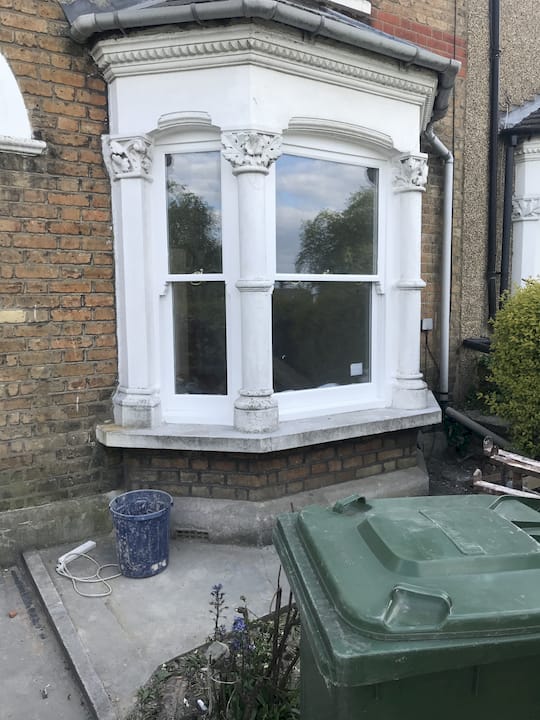
4. Reeded glass Reeded glass carries vertical or horizontal lines pressed into the surface, a texture with strong Edwardian precedent. It offers good privacy and lets in generous natural light.
5. Flemish glass Flemish glass mimics the gentle ripple of antique hand-blown panes. It reads as genuinely old from the street, making it one of the most sympathetic traditional door glass options for listed properties.
6. Rain glass A vertical textured pattern that creates the impression of water running down the surface. High privacy rating, period-appropriate feel, and widely available in double-glazed form.
7. Bespoke stained glass Victorian botanical motifs, geometric Arts & Crafts patterns, and Edwardian coloured borders are all achievable through commission. Professionals encapsulate the leaded panel between toughened safety glass panes, protecting delicate lead lines against weather and impact while maintaining thermal performance. Allow 18-20 weeks for bespoke work.
Pro Tip: If your property is listed, discuss your glazing choice with a conservation officer before ordering. They assess material authenticity, glazing patterns, and hardware, and their approval is required before work begins.
8. Engineered timber door construction Timber doors built to around 65mm depth with factory-applied finishes offer the dimensional stability needed to carry decorative glazing reliably in the UK’s wet, variable climate. This specification also accommodates double-glazed units without distortion over time.
9. Maintenance considerations Painted timber frames need inspection annually; factory finishes extend this interval considerably. Encapsulated stained glass requires only routine cleaning. Plain textured glass panels are the lowest-maintenance option overall.
Cost comparison at a glance:
| Glazing type | Relative cost | Lead time |
|---|---|---|
| Low-E double glazing | Lower | Standard |
| Textured privacy glass (reeded, Flemish, rain) | Moderate | Standard |
| Etched or frosted glass | Moderate | Standard |
| Bespoke stained glass | Higher | 18-20 weeks |
Sesashwindowrepair: bespoke period glazing, done properly
Period door glazing done well is not a catalogue choice. It requires someone who understands both the heritage context and the technical demands of timber construction in South East London’s climate.
At Sesashwindowrepair, we specialise in bespoke timber door and sash window refurbishments for period properties across South East London. Whether you need a double-glazed upgrade that preserves your door’s original character, a bespoke stained glass panel to match your home’s architectural era, or guidance on listed building requirements, we handle the full scope. Our work combines skilled craftsmanship with the technical precision that period properties demand. Get in touch for a quote tailored to your property.
Key takeaways
The most effective period door glazing combines low-emissivity double glazing with period-accurate bar profiles or decorative glass to deliver both heritage authenticity and modern thermal performance.
| Point | Details |
|---|---|
| Low-E glazing is the thermal baseline | Double-glazed units with low-emissivity coatings reduce heat loss while preserving period appearance. |
| Bar type affects both look and performance | Astragal bars replicate historic aesthetics on sealed units; true glazing bars suit single-pane restoration. |
| Bespoke stained glass needs advance planning | Lead times run 18-20 weeks; budget accordingly and confirm listed building consent first. |
| Timber depth matters | Engineered doors built to around 65mm depth carry decorative glazing stably in the UK climate. |
| Sesashwindowrepair | Offers bespoke timber door and sash window refurbishments across South East London, from low-E upgrades to stained glass commissions. |